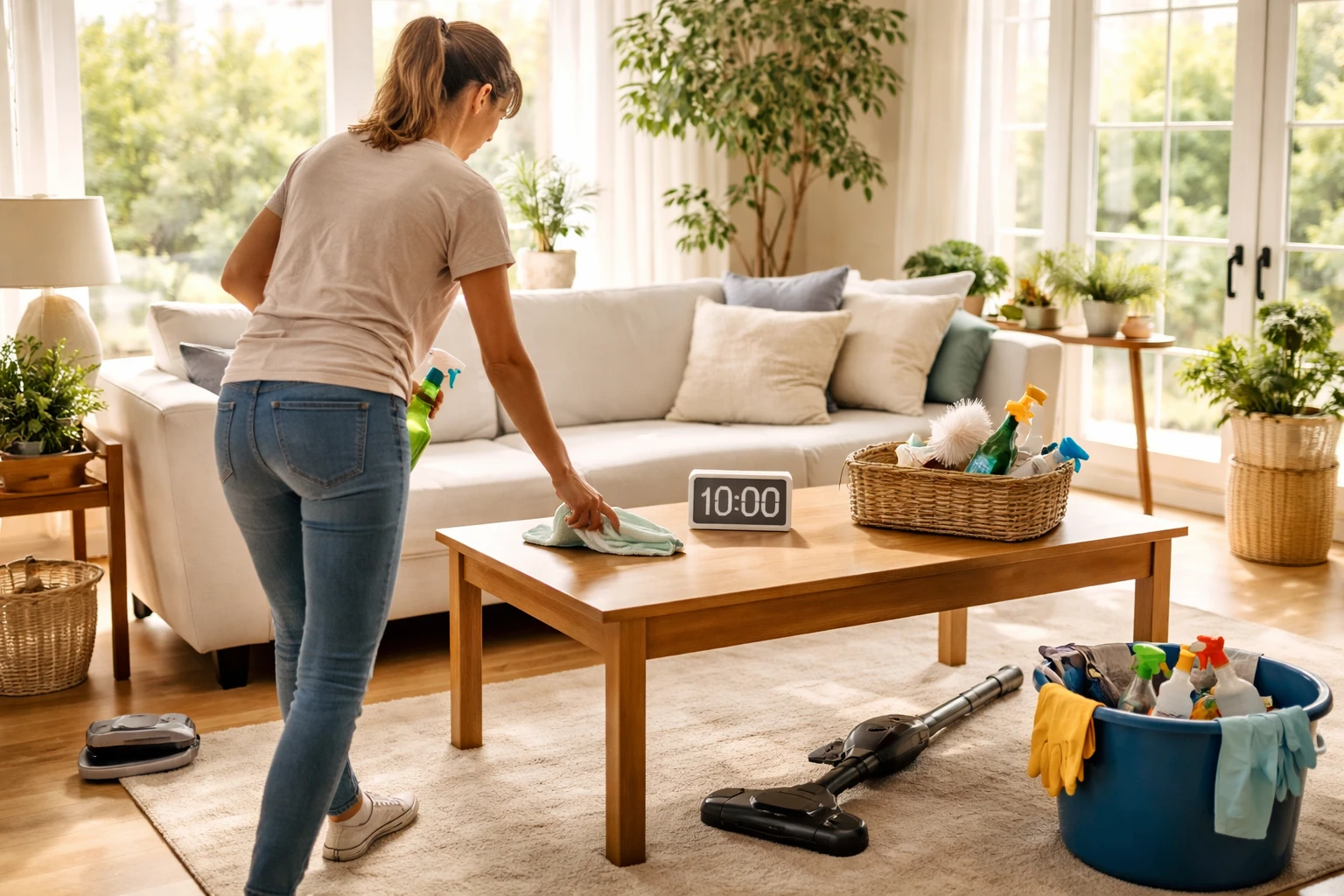
Sometimes you don’t need a total life overhaul. You need to shake it clean. Not repaint the house. Not move cities. Not redesign your entire schedule. Just shake it clean.
That phrase sounds simple. Almost too simple. But when I started using it as a guiding principle for my office, my routines, even my thinking it changed how I approach friction. Because most problems aren’t structural. They’re buildup. Dust on surfaces. Clutter in drawers. Tabs open in your brain. Let’s clear it.
What “Shake It Clean” Really Means
At face value, to shake it clean means to remove debris. Dust. What doesn’t belong. But practically? It’s a reset.
It’s stepping back and asking:
What has accumulated here that no longer serves a purpose?
There are three layers to this idea:
1. The Physical Layer
The visible mess. Papers. Laundry. That corner you keep ignoring.
2. The Practical Layer
Overcomplicated routines. Extra steps. Inefficient workflows.
3. The Psychological Layer
Mental tabs you forgot to close. Commitments you don’t even remember agreeing to.
Over time, this buildup creates friction. In psychology, that tension can resemble cognitive dissonance the discomfort we feel when our environment and our intentions don’t align. When you shake it clean across all three layers, something shifts. You feel lighter. Sharper. More decisive.
The Power of Small Physical Resets
You don’t need a 12-hour cleaning marathon. You need ten minutes.
The 10-Minute Shake It Clean Method
Set a timer. Move fast. Don’t organize. Remove.
| Minute Range | Focus Area | Action |
| 0–2 | Surfaces | Clear everything that doesn’t belong |
| 2–5 | Floors | Quick sweep or vacuum of visible debris |
| 5–7 | Soft Items | Shake pillows, rugs, throws |
| 7–10 | Trash Sweep | Remove garbage and obvious clutter |
No perfection. Just motion. When you shake it clean this way daily, your space never reaches chaos levels.
Micro-Decluttering Strategy

Big cleanouts stall people. Micro-resets don’t.
- One drawer.
- One shelf.
- One cabinet.
- One digital folder.
Done. Close it. Walk away. Momentum beats intensity every time.
Shake It Clean in Your Cleaning Routine
Systems prevent buildup.
Weekly Shake-Down Checklist
- Dust visible surfaces
- Vacuum high-traffic zones
- Wipe high-touch areas
- Clear expired fridge items
- Empty trash completely
Keep it under 45 minutes.
Monthly Deep Reset
This is where you shake it clean more aggressively:
- Shake rugs outdoors
- Wash curtains or wipe blinds
- Vacuum vents and baseboards
- Declutter one storage zone
- Rotate pantry items
Monthly resets prevent long-term accumulation.
Seasonal Clean Sweep
Every quarter, audit:
- Closets
- Pantry
- Garage
- Bathroom storage
Ask yourself: If I moved tomorrow, would this come with me?
If not, reconsider.
Shake It Clean for Your Mind
Physical clutter is visible. Mental clutter is subtle.
It shows up as:
- Decision fatigue
- Background stress
- Endless scrolling
- Shallow focus
There’s real science behind this. According to the National Institute of Mental Health (NIMH), environmental stressors can contribute to emotional strain and reduced concentration.
That means shaking it clean isn’t cosmetic. It’s neurological.
The 3-Step Mental Reset Framework
1. Identify
Write down everything occupying mental space.
2. Eliminate
Cancel. Delegate. Delay.
3. Replace
Choose one primary focus for the week.
Clarity is subtraction.
Sometimes mental clutter isn’t noise it’s lack of structure. That’s why many professionals anchor their mornings intentionally. Some turn to disciplined routines, journaling systems, or even motivational frameworks like the 5am club audiobook quotes to prime their thinking before distractions start. A structured morning is one of the most effective ways to shake it clean mentally before the day adds complexity.
Digital Shake It Clean
Your phone might be your biggest clutter source.
- Delete unused apps
- Turn off non-essential notifications
- Unsubscribe from 10 emails
- Organize desktop files into 3–5 main folders
- Clear your downloads folder
When you shake it clean digitally, attention improves. Fewer pings. More depth.
Shake It Clean Your Habits
Habits accumulate quietly. You didn’t plan to scroll for 45 minutes. It layered over time.
Time to audit.
The Habit Audit
Ask:
- Does this habit build energy or drain it?
- Is this aligned with who I’m becoming?
- Would I intentionally start this today?
If not, it’s a candidate to shake it clean.
| Habit | Keep | Modify | Remove |
| Morning phone scrolling | ✔ Limit | ||
| Late-night snacking | ✔ | ||
| Weekly planning | ✔ | ||
| Random multitasking | ✔ |
Quarterly reset weekends work well:
- Review routines
- Remove one draining behavior
- Add one strengthening habit
- Redesign one environment trigger
Small shifts compound.
Shake It Clean at Work
Professional environments accumulate inefficiencies quickly. Emails multiply. Meetings expand. Processes layer. This often leads to what’s known as organizational inertia—the tendency for systems to continue functioning the same way even when inefficient. If work feels heavier than it should, you don’t need more effort. You need subtraction.
Workspace Reset
- Remove everything except essentials
- Hide cables
- Reduce paper
- Keep one active notebook
Visual simplicity increases cognitive clarity.
Workflow Clean-Up
| Area | Action |
| 2–3 scheduled check times | |
| Meetings | Cancel those without clear ROI |
| Tasks | Batch similar work |
| Calendar | Add buffer time |
Professionals who regularly shake it clean at work outperform those who grind harder. Efficiency is strategic removal.
The Emotional Side of Letting Go
We don’t keep things because they’re useful. We keep them because they feel safe. Scarcity. Sentimentality. Fear.
If you want to fully shake it clean, use this filter:
- Do I use this regularly?
- Would I buy it again today?
- Does it reflect who I am now?
Categorize:
- Keep
- Donate
- Archive
- Discard
Letting go is alignment.
The 30-Day Shake It Clean Challenge
Want structure?
Week 1: Physical spaces
Week 2: Digital & paper
Week 3: Habits & routine
Week 4: Boundaries & mindset
Remove at least 10 items daily during Week 1.
Unsubscribe from 20 emails in Week 2.
Eliminate one draining habit in Week 3.
Say no once in Week 4.
By the end, your environment will feel different. So will your thinking.
Common Mistakes When Trying to Shake It Clean

Avoid these:
- Doing everything at once
- Buying storage instead of removing clutter
- Over-organizing instead of simplifying
- Resetting without maintenance
Shaking it clean is removal first. Optimization second.
Maintain the Reset
Resetting once feels good.
Maintaining it changes identity.
The Daily 5-Minute Rule
Every evening:
- Clear surfaces
- Reset workspace
- Prep for tomorrow
Five minutes prevents five hours later.
Weekly Ritual
- Plan the week
- Clean primary zones
- Remove new clutter
Monthly Reflection
- What built up?
- Where did I overcommit?
- What needs to be shaken clean next?
Consistency compounds.
Clean Space. Clear Mind.
Life doesn’t collapse in one dramatic moment. It gets heavy slowly.
Unsorted drawers.
Unfinished tasks.
Unclear priorities.
You don’t need reinvention. You need rhythm. You need to shake it clean consistently.
Clear the desk. Delete the unused app. Cancel the unnecessary commitment. Donate the jacket you haven’t worn in two years. Then breathe.In a world that constantly adds more, subtraction is power. Start small. Start today. Shake it clean.
FAQs
It means intentionally removing physical, mental, and routine buildup so you can reset with clarity and focus.
A quick daily reset and a deeper weekly clean are usually enough to prevent clutter from accumulating.
No, it also applies to mental clutter, digital organization, habits, and work systems.
You can complete an effective reset in as little as 10 minutes if you focus on removal rather than perfection.
They try to organize everything instead of first removing what no longer belongs.
Yes, reducing environmental and mental clutter improves focus, decision-making, and efficiency.
Start with a brain dump, eliminate unnecessary commitments, and narrow your priorities to one main focus.
High-impact areas like your desk, kitchen counters, bedroom nightstand, and inbox provide immediate results.
Use a daily 5-minute reset and a weekly review ritual to prevent buildup from returning.
No, it’s an ongoing rhythm of clearing, simplifying, and realigning your space and routines.