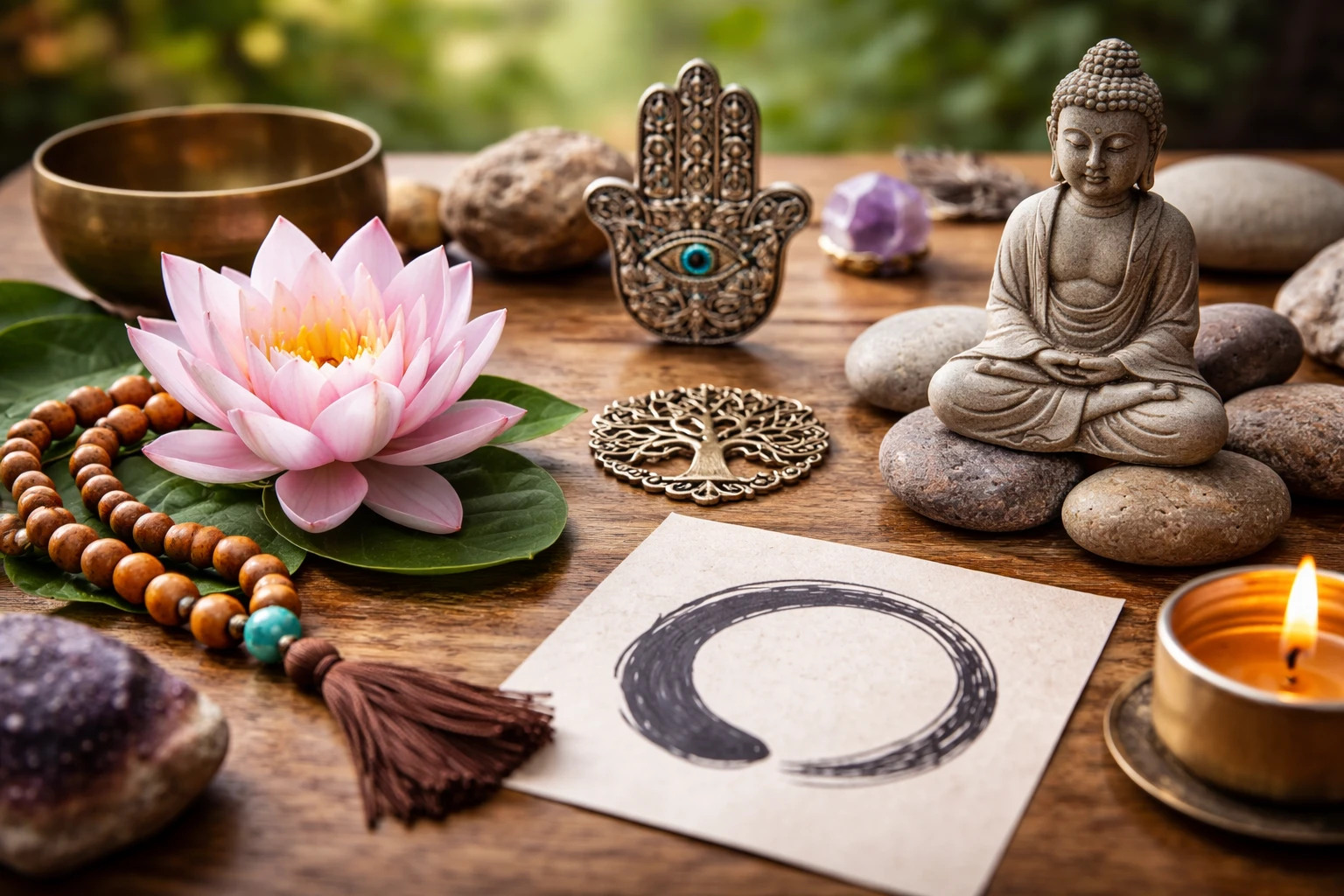
We are visual creatures. We anchor meaning in shape, line, and form. That’s why mindfulness symbols have endured across centuries—they give presence a body. They turn awareness into something you can see, touch, and return to when your mind drifts.
And let’s be honest. The mind drifts constantly.
Deadlines. Notifications. Regrets. Anticipation. Mental noise builds fast. A symbol, used intentionally, becomes a reset button. Not magic. Not superstition. Just a quiet visual cue that says, Come back. Breathe. Notice.
In this article, we’ll explore the most powerful mindfulness symbols, where they come from, what they truly mean, and—most importantly—how to use them in a practical, grounded way in your daily life.
Let’s begin.
What Are Mindfulness Symbols, Really?
Mindfulness is the practice of paying attention—on purpose, without judgment—to the present moment. Simple definition. Hard execution.
Symbols help.
Humans have always relied on imagery to encode meaning. Flags represent nations. Wedding rings represent commitment. Logos trigger trust. The brain responds to repetition and visual shorthand. It loves patterns.
Mindfulness symbols work the same way. They become mental anchors.
When you repeatedly associate a symbol with calm breathing, self-awareness, or grounded attention, your nervous system starts to recognize it as a cue. Over time, the image alone can gently pull you back into presence.
But intention matters.
A symbol on a necklace is decoration unless you attach practice to it. Once you do, it becomes a tool.
The Most Powerful Mindfulness Symbols and What They Represent
Let’s explore the most recognized mindfulness symbols, along with how they can function as practical anchors in daily life.
1. The Lotus Flower
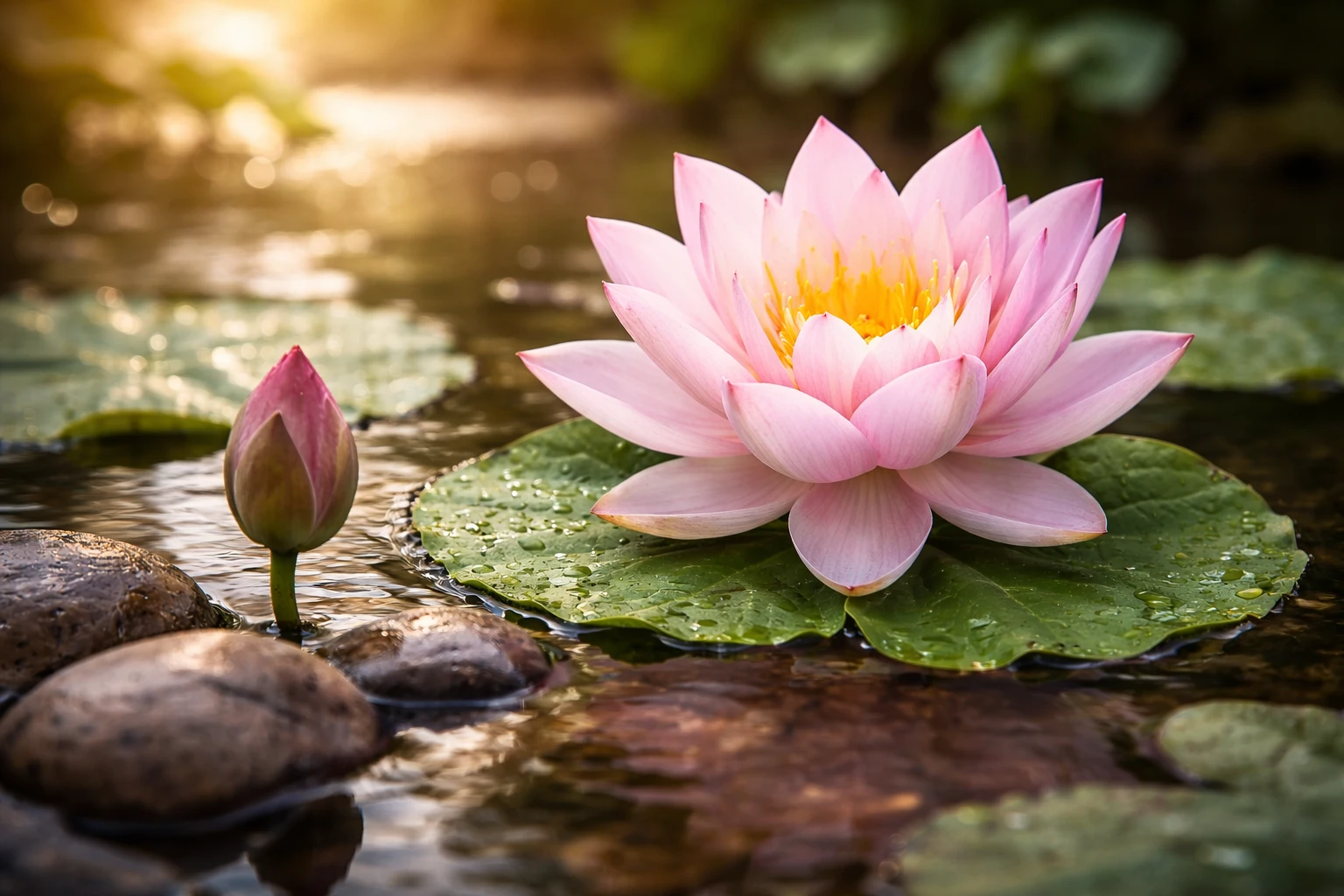
The lotus grows in muddy water. Yet it rises clean. Untouched.
In Buddhist and Hindu traditions, the lotus symbolizes spiritual awakening, resilience, and growth through adversity. The mud represents suffering or confusion. The bloom represents clarity.
Practical application?
When life feels messy—and it will—the lotus reminds you that clarity can coexist with chaos. You don’t need perfect conditions to practice mindfulness.
Use it when:
- You’re navigating stress or transition
- You want a reminder of emotional resilience
- You’re working on self-growth
Place a small lotus image near your desk. Each time you notice tension, pause. Inhale. Exhale. Ask: What is my mud right now? What would blooming look like in this moment?
That’s mindfulness in action.
2. The Om (Aum) Symbol
The Om symbol represents the primordial sound of the universe in Hindu philosophy. It embodies creation, existence, and dissolution.
But you don’t need a spiritual framework to benefit from it.
At its core, Om represents vibration. Breath. Sound. Presence.
If you’ve ever chanted “Om” at the start of a yoga class, you’ve felt it—the low hum that vibrates through your chest. That vibration anchors attention. It slows the breath. It signals your nervous system to settle.
Try this:
- Sit upright.
- Inhale deeply.
- Exhale slowly while softly humming.
- Notice the vibration in your body.
Now imagine that vibration each time you see the Om symbol. Over time, the image alone can trigger that memory of calm.
That’s how mindfulness symbols become embodied.
3. The Enso Circle
A single brushstroke. Often imperfect. Sometimes open.
The Enso circle comes from Zen Buddhism. It represents wholeness. Emptiness. The present moment.
The circle is rarely symmetrical. That’s intentional. Perfection isn’t the goal. Presence is.
I love this one for high achievers. For perfectionists. For professionals who measure their worth in outcomes.
The Enso whispers, You are whole already.
Place it where you tend to overthink. Let it interrupt self-criticism.
4. The Buddha Image
A seated figure. Eyes half closed. Spine upright. Hands resting gently.
The Buddha image represents awakening—not worship, but awareness.
Look closely at the face. It’s not smiling widely. It’s calm. Balanced. Alert.
That expression is the lesson.
You don’t need to become someone else to practice mindfulness. You just need to sit with what is.
Incorporate this symbol thoughtfully. Avoid treating it as trend décor. Learn its origins. Respect its meaning.
Then let it remind you to pause before reacting.
5. The Tree of Life
Roots deep. Branches wide.
The Tree of Life appears across cultures—from Celtic tradition to Kabbalah. It symbolizes interconnectedness, grounding, and growth.
Mindfulness often feels abstract. The Tree of Life makes it tangible.
Roots = grounding practices (breathing, journaling, stillness).
Branches = outward action (work, relationships, creativity).
If your life feels unbalanced, ask:
- Are my roots strong?
- Or am I stretching branches without grounding?
That reflection alone is powerful.
6. The Hamsa Hand
The Hamsa hand symbolizes protection and awareness. It appears in Middle Eastern and North African cultures and often features an eye in the center.
In a mindfulness context, it becomes a reminder to stay observant. To notice.
Open palm. Open awareness.
Use it as a cue to ask:
- What am I overlooking?
- What emotion is present right now?
Awareness protects more than avoidance ever will.
7. The Mandala
Intricate. Symmetrical. Balanced.
Mandala means “circle” in Sanskrit. It represents the universe and the interconnected nature of life.
Creating or coloring a mandala can be a form of meditation. Repetitive patterns calm the mind. Attention narrows gently.
Professionals who struggle to sit still often benefit from active mindfulness practices like this.
Try 10 minutes of mandala coloring instead of scrolling.
See what shifts.
8. The Unalome
A spiral that straightens into a line.
The Unalome symbolizes the path to enlightenment. The spiral represents confusion and struggle. The straight line represents clarity.
Here’s the honest truth: mindfulness isn’t linear.
You’ll spiral. You’ll regress. And you’ll forget to breathe in meetings.
That’s normal.
The Unalome reminds you that progress includes detours.
The Psychology Behind Mindfulness Symbols
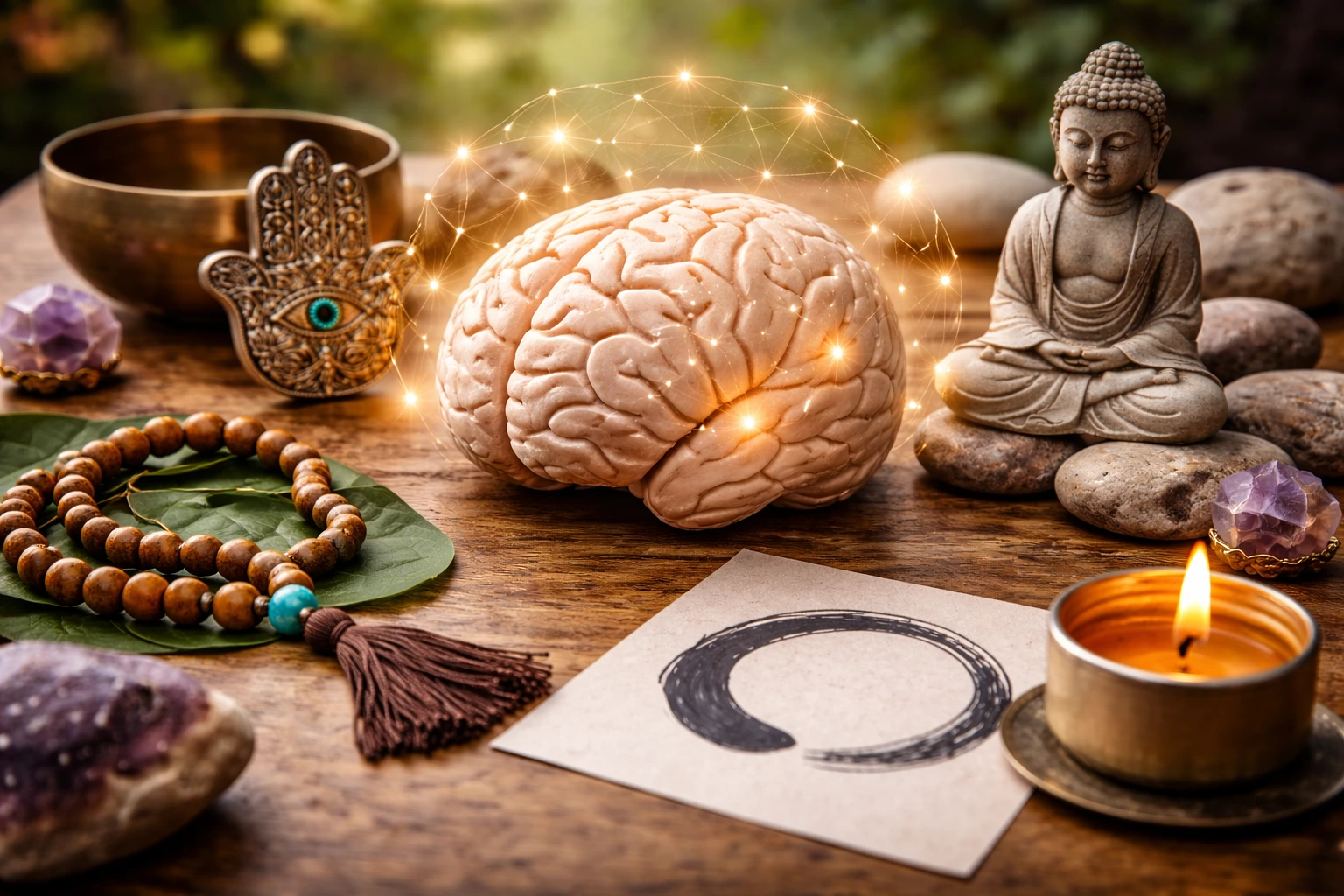
Symbols work because the brain loves association.
When you repeatedly pair a visual cue with a calm state—through breathwork, journaling, or meditation—you’re creating neural links. Over time, the cue alone can evoke that state.
Think of it as mental conditioning.
Here’s how to build the association intentionally:
| Step | Action | Why It Works |
| 1 | Choose one symbol | Focus builds stronger association |
| 2 | Pair it with daily breathing practice | Repetition strengthens neural pathways |
| 3 | Place it in visible locations | Environmental cues reinforce habit |
| 4 | Reflect briefly when you see it | Conscious awareness deepens meaning |
Consistency matters more than intensity.
How to Choose the Right Mindfulness Symbol
Not every symbol will resonate. That’s okay.
Ask yourself:
- Does this symbol reflect something I’m working on?
- Do I understand its cultural origins?
- Does it feel grounding—or trendy?
Choose depth over decoration.
If you’re in a season of rebuilding, the lotus may resonate. If you’re working on accepting imperfection, the Enso circle might feel right.
Let your current growth edge guide you.
Practical Ways to Use Mindfulness Symbols Daily
This is where intention becomes action.
In Meditation
- Gaze softly at the symbol for one minute before closing your eyes.
- Visualize it during breathwork.
- Draw it in your journal before writing.
In Your Environment
- Place a small framed symbol on your desk.
- Use a subtle wallpaper on your phone.
- Keep a small token in your bag.
Wearable Reminders
Jewelry can be powerful—if you use it consciously. Each time your hand touches the necklace or bracelet, take one slow breath.
Tiny interruption. Big impact.
In Reflection
Try this journaling prompt:
“When I look at this symbol, what part of myself does it reflect?”
That’s how mindfulness symbols become mirrors, not ornaments.
Cultural Sensitivity Matters
Many mindfulness symbols originate from sacred traditions.
Approach them with respect. Learn their roots. Avoid stripping them of meaning.
Mindfulness itself is about awareness. Cultural awareness is part of that.
Create Your Own Symbol
You don’t have to borrow one.
Create a simple mark that represents:
- Stability
- Growth
- Clarity
- Renewal
It can be abstract. Minimal. Personal.
Draw it. Repeat it. Attach breath to it.
Your nervous system doesn’t care about history. It cares about repetition.
Common Misconceptions
Let’s clear this up.
- Mindfulness symbols are not magical objects.
- They don’t replace emotional work.
- They don’t erase stress.
They are tools. Anchors. Prompts.
The real transformation comes from practice.
The Deeper Meaning: Symbols as Mirrors
Ultimately, mindfulness symbols reflect something already inside you.
The lotus reflects resilience.
The Enso reflects wholeness.
The Unalome reflects growth.
You don’t need the symbol to possess those qualities.
But sometimes you need a reminder.
And reminders are powerful.
Conclusion: Awareness Made Visible
In a world of constant distraction, visual anchors matter.
Mindfulness symbols give presence a shape. They interrupt autopilot. They invite reflection. And they ground attention.
Choose one intentionally. Pair it with practice. Repeat the association.
Let it become a quiet companion.
Not a trend. Not a statement. A tool.
And every time your mind wanders—which it will—let that symbol gently call you back.
Right here. Right now.
That’s where mindfulness lives.
FAQs
Mindfulness symbols are visual representations used as anchors to bring attention back to the present moment.
Many originate from spiritual traditions, but they can be used in a secular way when approached with understanding and respect.
They create mental associations—when paired with breathing or reflection, the image becomes a cue for calm and awareness.
You can, but focusing on one at a time often creates a stronger, clearer mental anchor.
They can be if used without understanding or respect; learning their origins is essential.
No, they support practice but don’t substitute for intentional mindfulness habits.
The lotus, Enso circle, or a simple mandala are accessible and easy to integrate into daily reflection.
Absolutely—personal symbols can be especially powerful when tied to your own intentions and practices.
They can be meaningful if chosen thoughtfully and with awareness of their cultural background.
Daily repetition—even just a brief breath when you see it—builds the strongest impact.