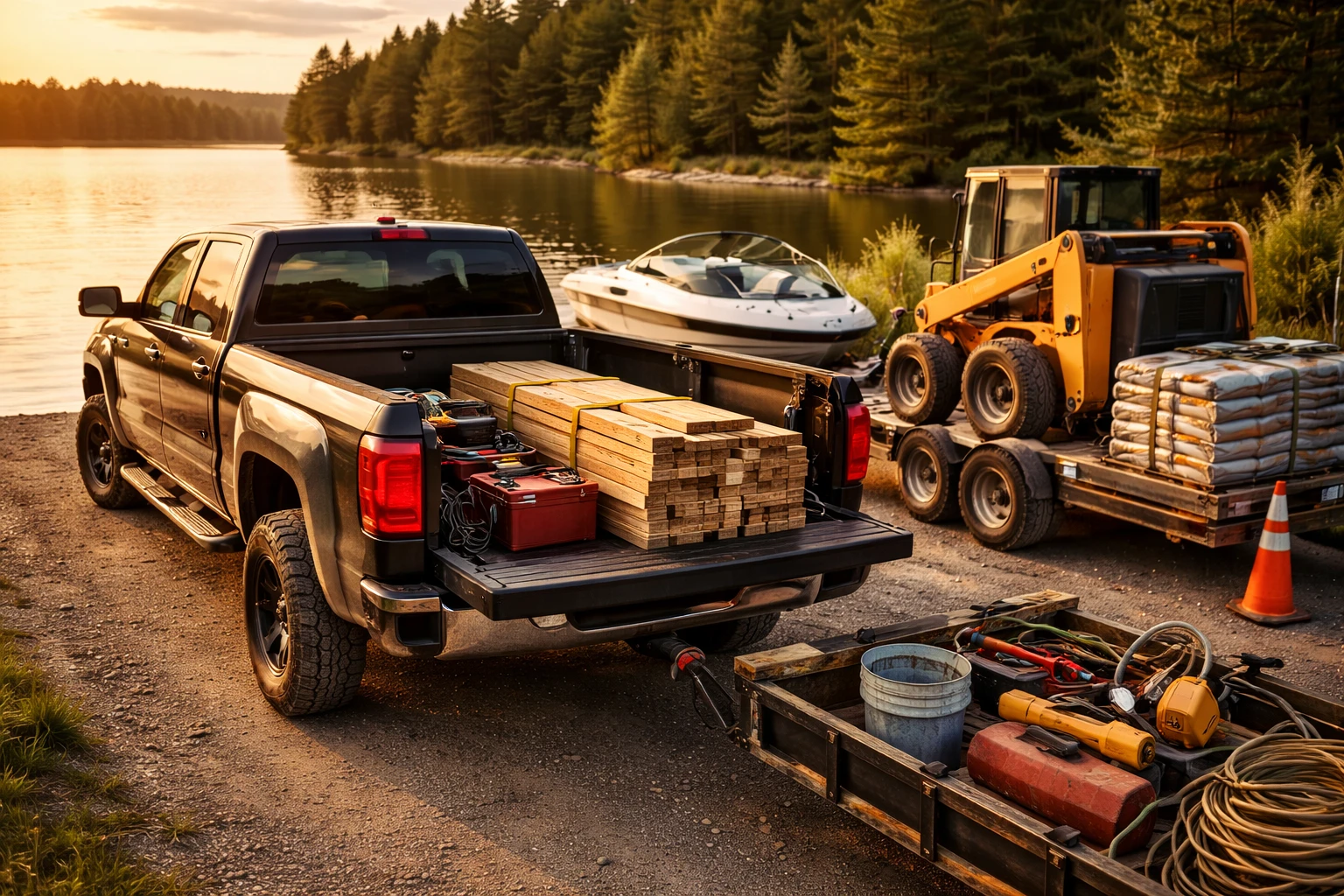
A man driving pickup truck at sunrise is a scene that feels almost cinematic. The engine hums. The road opens. There’s purpose in the posture, intention in the direction. And whether you see it on a jobsite, on a ranch road, or pulling a boat toward the coast, the image of a man driving pickup truck carries weight. It says something.
But what exactly does it say?
More than most vehicles, a pickup truck blends identity with utility. It is not just transportation. It is equipment. It is workspace. It is weekend freedom. And for many, it is a deliberate lifestyle choice. Let’s break this down not with clichés, not with nostalgia but with clarity and substance.
More Than a Vehicle
When you see a man driving pickup truck, you’re not just seeing horsepower and sheet metal. You’re seeing function in motion. Pickups were born from necessity. Farmers needed to haul feed. Builders needed to transport lumber. Oil workers needed durability. The truck evolved because work demanded it.
Today, that heritage remains but it has expanded.
A modern pickup truck might tow 13,000 pounds. It might offer ventilated leather seats. It might function as a mobile office with Wi-Fi and multiple power outlets. It might carry kids to school at 8 a.m. and tow a camper at 5 p.m. That versatility matters. And that’s where the deeper value lies.
The Cultural Meaning Behind the Wheel
The image of a man driving pickup truck has cultural gravity. In the United States especially, it represents independence and resilience. Historically, pickup trucks were tied to rural economies agriculture, construction, oil, trades. The truck wasn’t optional. It was infrastructure.
Over time, it became symbolic:
- Self-reliance
- Hard work
- Capability
- Mobility
But culture shifts. Urban professionals now drive pickups. Entrepreneurs use them as both branding and function. Outdoor enthusiasts choose them for adventure access. The image of a man driving pickup truck also shifts depending on who is watching. For some observers, especially those of a certain age meaning individuals who associate trucks with earlier generations of labor and rural identity, the vehicle carries nostalgia and tradition. For younger drivers, however, it may symbolize entrepreneurship, mobility, or even technological adaptation. Perception evolves, and so does the story behind the wheel.
Today, a man driving pickup truck could be:
- A contractor hauling tools
- A tech executive towing a wake boat
- A rancher checking fence lines
- A firefighter heading home after shift
The stereotype doesn’t hold. The reality is more layered.
Practical Reasons Men Choose Pickup Trucks
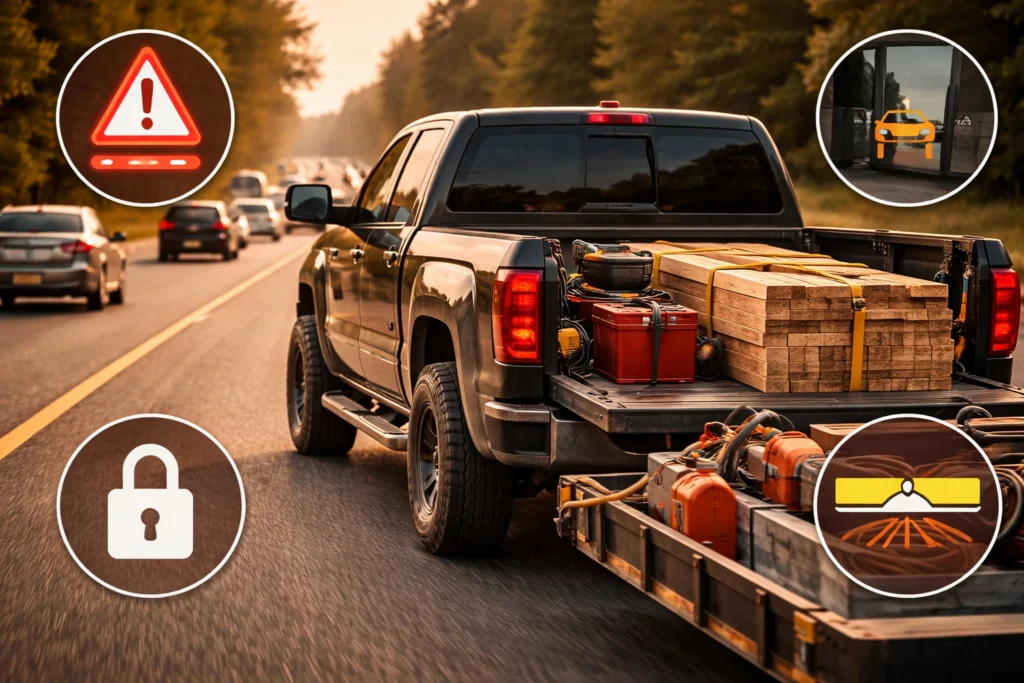
Let’s move from symbolism to strategy. Why choose a pickup truck over an SUV or sedan? Because sometimes function wins. Utility and CapabilityFull-Size Pickup
Pickup trucks excel in two core metrics:
| Capability | Why It Matters |
| Towing Capacity | Boats, trailers, equipment, campers |
| Payload Capacity | Lumber, furniture, landscaping materials |
If you regularly haul weight, a pickup makes economic sense. Renting trucks repeatedly adds up. Paying contractors for deliveries adds up. A pickup truck reduces friction. And friction costs money.
Work Applications
For professionals, the truck becomes a tool.
- Contractors carry ladders, compressors, saws
- Landscapers transport mowers and materials
- Ranchers haul feed and fencing supplies
- Inspectors keep equipment organized
A man driving pickup truck in a professional setting isn’t flexing status. He’s optimizing workflow. When your vehicle directly supports revenue generation, the purchase becomes strategic.
Family and Lifestyle Use
Here’s where nuance enters. Modern crew cab pickups rival SUVs in comfort. Heated seats. Advanced safety systems. Spacious rear rows. Add towing ability, and suddenly one vehicle does everything. That consolidation simplifies life.
The Psychological Component
Let’s be honest. There’s a psychological dimension here. When a man driving pickup truck sits higher on the road, visibility changes. Control changes. Awareness increases.
That elevated driving position offers:
- Improved sightlines
- Better road presence
- Greater confidence in poor weather
But it’s not just physical height. It’s mental posture.
Driving a capable vehicle changes how you plan. You’re more likely to say yes to hauling something. More likely to take the camping trip. More likely to volunteer to help move furniture. Capability shifts behavior. And behavior shapes identity.
This interplay between environment and mindset is not accidental. Behavioral researchers sometimes describe complex systems like this using the term emergence where larger patterns arise from smaller actions working together. Small choices compound. Identity evolves.
What Different Pickup Types Communicate
Not all pickup trucks are the same. And what you drive says something about how you operate.
Compact Pickup
Efficient. Practical. Urban-friendly.
Ideal for light hauling and daily commuting.
Mid-Size Pickup
Balanced. Versatile.
Useful for moderate towing without excessive fuel consumption.
Full-Size Pickup
Serious capability.
Suitable for contractors, frequent towing, and long-haul durability.
Heavy-Duty / Diesel
Commercial-grade.
Built for sustained heavy loads and demanding work environments.
Here’s a simple decision table:
| Use Case | Recommended Class |
| Occasional hauling | Compact / Mid-Size |
| Weekend towing | Mid-Size / Full-Size |
| Professional trade work | Full-Size |
| Heavy commercial hauling | Heavy-Duty Diesel |
The key is alignment. Buy for your actual needs, not ego.
Technology Has Changed the Game
The pickup truck of 1990 and the pickup truck of today are radically different.
Modern trucks offer:
- Adaptive cruise control
- Blind-spot monitoring (even while towing)
- Touchscreen infotainment
- Integrated trailer brake controllers
- 360-degree cameras
For a man driving pickup truck today, the experience blends power with precision. You can tow thousands of pounds while maintaining lane assist and real-time tire pressure monitoring. That’s not brute force. That’s engineered intelligence. And it matters for safety.
Responsibility on the Road
Let’s pause here.
Driving a pickup is not the same as driving a compact sedan. Weight, braking distance, and turning radius all change. If you’re a man driving pickup truck, you carry additional responsibility. According to the U.S. National Highway Traffic Safety Administration (NHTSA), larger vehicles require greater stopping distances and careful load management. These are not abstract warnings. They’re measurable safety factors.
Key Considerations
- Braking Distance: Larger vehicles require more stopping space.
- Blind Spots: Use mirrors intentionally. Adjust properly.
- Load Security: Unsecured cargo becomes a hazard.
- Weight Distribution: Uneven loads affect handling.
Towing requires even more attention.
- Confirm hitch rating
- Verify trailer brake functionality
- Check tire pressure (truck and trailer)
- Use extended mirrors if necessary
Professional drivers know this. Weekend users must learn it.
Capability demands discipline.
Environmental and Economic Realities
Critics often focus on fuel consumption. And yes, pickup trucks traditionally use more fuel than compact cars. But context matters.
Ownership Economics
Consider:
- Resale value (often strong for pickups)
- Revenue potential (for work use)
- Reduced rental costs
- Consolidated vehicle needs
In many cases, a pickup truck holds value better than sedans. That reduces long-term ownership cost.
Hybrid and Electric Options
The market is shifting.
Electric pickups now offer:
- Instant torque
- Reduced maintenance
- Lower fuel costs
- High towing ratings
For environmentally conscious buyers, the equation is evolving. A man driving pickup truck in 2026 may very well be driving electric. And that changes the narrative entirely.
Customization: Practical vs Decorative
Customization often gets misunderstood. Yes, some drivers lift trucks purely for aesthetics. But many modifications serve purpose.
Functional Additions
- Bed liners
- Tonneau covers
- Toolboxes
- Ladder racks
- All-terrain tires
Each upgrade can increase efficiency or durability.
Before modifying, ask:
- Does this improve function?
- Does this support my work or lifestyle?
- Does it increase long-term value?
If the answer is no to all three, reconsider.
Customization should be strategic.
A Day in the Life
Picture this.
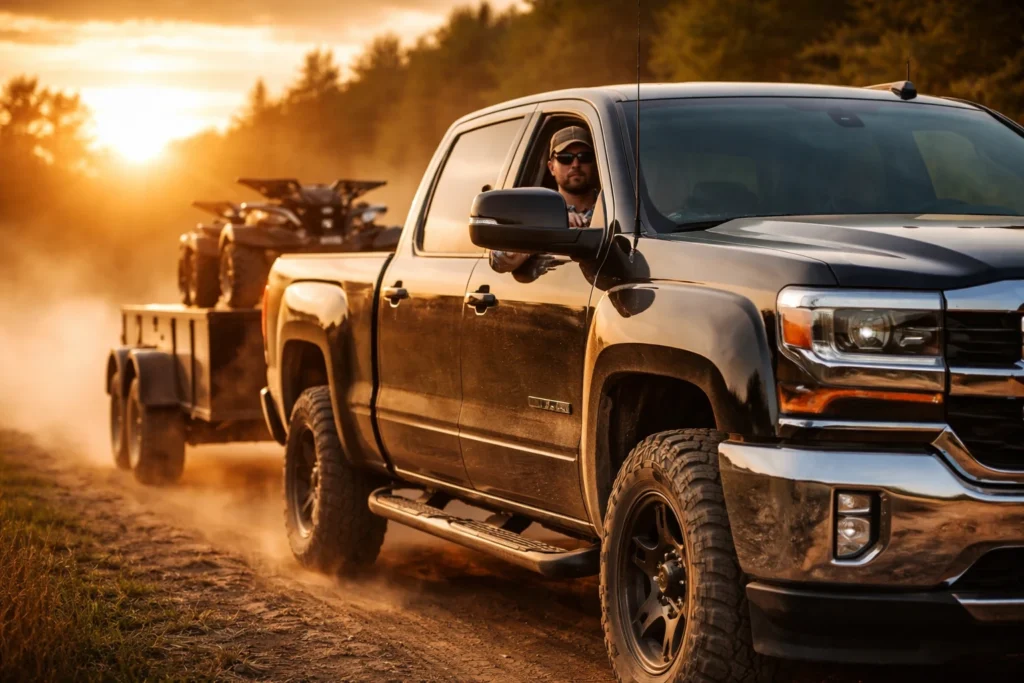
Morning. Coffee in the console. A man driving pickup truck heads toward a jobsite. The bed carries equipment organized in modular bins. Nothing shifts. Nothing rattles unnecessarily. Midday. Materials get loaded securely strapped, weight balanced. Afternoon. A quick stop at the hardware store. No problem. The bed handles it. Evening. Kids climb into the back seat. The truck transitions from work mode to family mode seamlessly. Weekend. Boat hooked up. Trailer lights checked. Highway miles ahead. That fluidity is the appeal. One vehicle. Multiple roles.
Addressing the Criticism
Some argue that pickups are excessive for urban settings. Sometimes that’s true. If you never haul, never tow, never use the bed, and primarily navigate tight parking garages, a pickup may not be efficient. But blanket criticism ignores individual use cases.
A man driving pickup truck in a city might:
- Own rental properties
- Flip homes
- Manage job sites
- Transport equipment regularly
The right question isn’t “Is a pickup necessary?”
It’s “Necessary for whom?”
Context decides.
The Enduring Appeal
The image of a man driving pickup truck persists because it represents agency.
Agency to move materials.
Agency to change plans.
Agency to say yes when others can’t.
It’s not about noise. It’s not about showmanship.
It’s about readiness.
And readiness is powerful. In an era where many vehicles prioritize sleek design over substance, the pickup remains unapologetically functional. Yet it has adapted integrating technology, safety, and even sustainability.
That balance keeps it relevant.
Final Reflection
Strip away stereotypes. Remove assumptions.
At its core, a man driving pickup truck is operating a machine designed for work, movement, and possibility. It can be a contractor’s lifeline. A family’s adventure vehicle. A small business asset. Or simply a well-chosen tool. Capability isn’t flashy. It’s quiet. It’s practical. It shows up when needed. And that’s why the image endures. Because sometimes the most powerful statement isn’t made with words. It’s made with motion.
FAQs
Pickup trucks offer towing power, payload capacity, and durability that directly support work-related tasks.
Yes, especially modern crew cab models that provide comfort, safety features, and strong road visibility.
Maintenance costs vary by model, but strong resale value often offsets long-term ownership expenses.
Check your truck’s towing rating, secure the hitch properly, and ensure trailer brakes and tires are in good condition.
Yes, they require longer braking distances and more attention to blind spots due to their size and weight.
Electric pickups offer instant torque, lower fuel costs, and reduced maintenance while maintaining strong towing capabilities.
No, many urban professionals use pickups for business, property management, and lifestyle flexibility.
A compact or mid-size pickup is often sufficient for light towing and weekend projects.
Many pickup trucks retain value well, especially full-size and well-maintained models.
It often symbolizes readiness, capability, and a lifestyle built around function and independence.