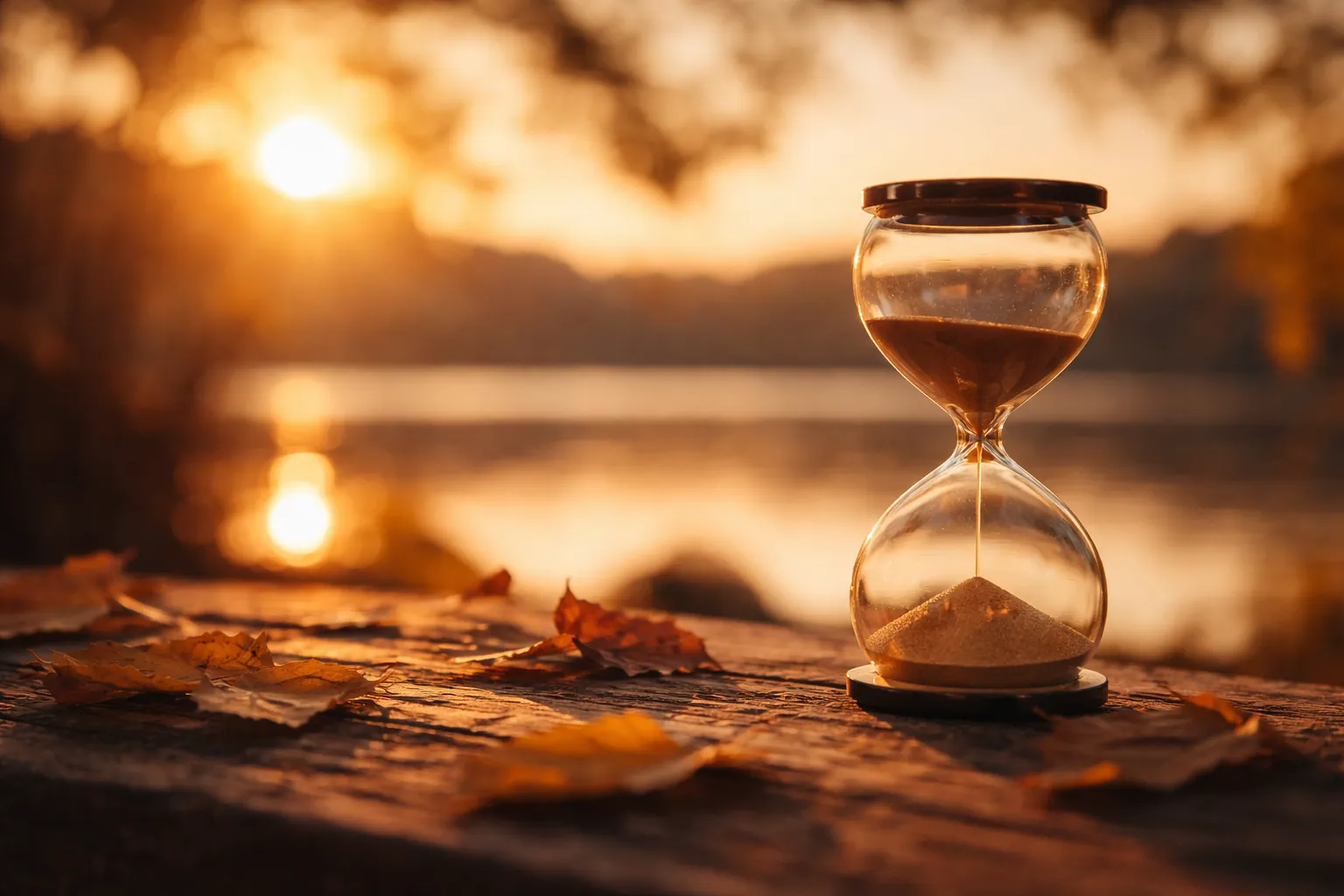
Life moves fast. Faster than we expect. One moment you’re planning, postponing, telling yourself you’ll get to it “someday.” The next, that moment has already passed. This is where the life is fleeting meaning hits hardest—not as a poetic phrase, but as a quiet truth that reshapes how we see time, choices, and ourselves.
I’ve come back to this idea more times than I can count. Not during dramatic life events. Usually during ordinary days. A conversation cut short. A year that seemed to vanish. A goal that suddenly felt outdated. Understanding the life is fleeting meaning doesn’t make life heavier. It makes it sharper. Clearer. More intentional.
This article isn’t about urgency or fear. It’s about clarity. And how recognizing that life is fleeting can help us live better—without rushing, without panic, and without regret.
What “Life Is Fleeting” Really Means
At its core, fleeting means brief. Passing quickly. Hard to hold onto.
So the literal life is fleeting meaning is simple: our time here is limited, and moments don’t linger just because we want them to. They move on. Whether we notice them or not.
But the deeper meaning isn’t about the clock. It’s about attention.
Life doesn’t feel fleeting while it’s happening. It feels fleeting when we look back. Years compress into snapshots. Whole chapters shrink into a handful of memories. That contrast—between how long life feels going forward and how short it feels looking back—is what makes the phrase so powerful.
We don’t experience life as short.
We remember it as short.
That difference matters.
Why Humans Struggle With Impermanence
We’re not wired to live with constant awareness of endings. If we were, we’d never sleep, plan, or commit to anything long-term.
Instead, our brains protect us by assuming continuity. Tomorrow will come. Next year will be there. Opportunities will repeat.
Sometimes they do.
Sometimes they don’t.
The life is fleeting meaning challenges this default assumption. It asks us to hold two truths at once:
- Life continues.
- Life ends.
Not in a morbid way. In a grounding one.
When we ignore impermanence, we delay important conversations, postpone joy, and tolerate situations that drain us. When we acknowledge it—gently—we become more deliberate.
Ancient Ideas, Modern Relevance
This idea isn’t new. It’s ancient.
Stoic philosophers reflected daily on mortality, not to become gloomy, but to stay focused. Eastern traditions emphasized impermanence as a path to peace rather than attachment. Across cultures, the message was consistent: awareness of life’s fleeting nature clarifies what matters.
The life is fleeting meaning was never meant to push people into extremes. It was meant to pull them back into alignment.
Back to values.
Back to presence.
And back to purpose.
Modern life, ironically, makes this harder. We’re constantly distracted, constantly updated, constantly planning for a future that always seems slightly out of reach.
Why Life Feels Shorter as We Age
You’ve probably noticed this. Years seem to accelerate.
There’s a psychological reason.
When life is filled with novelty—new places, new skills, new challenges—our brains create more memory markers. Time feels fuller. Slower. When life becomes routine, fewer memories stand out. Time collapses.
The life is fleeting meaning becomes more obvious as routines stack and novelty fades. Not because time actually speeds up, but because our attention narrows.
This is actionable.
You don’t need to overhaul your life to slow time down. You need to introduce intention.
Small changes.
New experiences.
Deliberate breaks in routine.
Not for excitement. For memory.
How the Idea Lands Emotionally
Let’s be honest. The phrase “life is fleeting” can stir up uncomfortable feelings.
- Fear of loss
- Regret over missed chances
- Sadness for moments already gone
That’s normal.
But there’s another emotional response that often follows: gratitude.
When you accept the life is fleeting meaning, you start noticing what’s still here. The conversation you’re having now. The work you get to do. The people who still answer your calls.
Impermanence doesn’t erase meaning. It creates it.
How Life Is Fleeting Changes What We Prioritize
This is where theory turns practical.
When time feels endless, we optimize for convenience. When time feels precious, we optimize for meaning.
The life is fleeting meaning quietly reshuffles priorities:
- Trivial arguments lose their appeal
- Busywork feels heavier
- Alignment feels urgent—but not frantic
You begin asking better questions:
- Is this worth my energy?
- Does this reflect who I am now?
- Would I choose this again if time were limited?
These questions don’t demand immediate answers. They demand honesty.
Relationships Through a Fleeting Lens
Nothing brings the meaning home faster than relationships.
Time doesn’t just pass. It separates. Through distance, misunderstanding, or loss.
Understanding the life is fleeting meaning changes how we show up for people:
- We say things sooner.
- We forgive more freely.
- We stop assuming there will be another chance.
This doesn’t mean dramatic gestures. It means presence.
Being fully there in conversations.
Listening without multitasking.
Creating memories instead of postponing them.
Because relationships don’t fade all at once. They fade through neglect.
Career, Ambition, and the Trade-Offs We Ignore
Work matters. Ambition matters. But time is the invisible cost we rarely calculate.
The life is fleeting meaning forces a harder question than “Is this successful?”
It asks: Is this sustainable?
Here’s a simple way to evaluate work decisions through a fleeting-life lens:
| Question | Why It Matters |
| Does this align with my values? | Prevents hollow success |
| Does this leave space for life outside work? | Protects long-term well-being |
| Would I still choose this if time were limited? | Clarifies true motivation |
This isn’t about quitting or coasting. It’s about designing a life where work supports meaning instead of replacing it.
The Power of Ordinary Moments

Here’s the quiet twist most people miss.
When life ends, it’s not the big moments we lose first. It’s the small ones.
Morning routines.
Casual check-ins.
Unremarkable days.
The life is fleeting meaning teaches us that ordinary moments aren’t filler. They are the substance.
You don’t need to live bigger.
You need to live more awake.
That’s why practices like mindfulness work—not because they’re trendy, but because they train attention where life actually happens.
Practical Ways to Live With the Awareness That Life Is Fleeting
This awareness only matters if it changes behavior. Here are grounded, realistic ways to apply it:
Daily Practices
- Start one day a week without rushing
- End the day by noting one moment worth remembering
- Limit multitasking during conversations
Weekly Check-Ins
- Ask: What felt meaningful this week?
- Identify one thing that drained energy unnecessarily
- Adjust one small habit
Longer-Term Reflection
- Audit commitments quarterly
- Revisit goals annually—some expire, and that’s okay
- Make space for experiences, not just outcomes
None of this requires perfection. Just intention.
What “Life Is Fleeting” Does Not Mean
This is important.
The life is fleeting meaning does not mean:
- Spend recklessly
- Chase constant pleasure
- Panic about time
- Abandon responsibility
That’s misinterpretation, not insight.
Awareness of impermanence isn’t about squeezing life dry. It’s about choosing wisely.
There’s a difference between urgency and intention. One exhausts you. The other steadies you.
Finding Meaning Without Obsessing Over Time
You don’t need to measure every moment to honor it.
Sometimes the healthiest response to a fleeting life is trust. Trust that meaning compounds. That showing up consistently matters more than dramatic change.
The life is fleeting meaning isn’t a countdown. It’s a compass.
It points you back to what matters when distractions pull you away.
Why This Truth Is a Gift, Not a Burden
Here’s the paradox.
If life were endless, moments would be interchangeable. Nothing would feel urgent. Nothing would feel rare.
Impermanence gives experiences weight.
Love matters because it can end.
Growth matters because time is limited.
Presence matters because it can’t be reclaimed.
Seen this way, the life is fleeting meaning isn’t dark. It’s generous.
The Question That Lingers
Understanding that life is fleeting doesn’t demand dramatic change. It invites gentle awareness.
Not What should I rush toward?
But What deserves my time?
Because in the end, life doesn’t slip away all at once.
It leaves quietly.
Moment by moment.
Choice by choice.
And how we live—right now—is how we answer its fleeting nature.
FAQs
It means that time passes quickly and moments are temporary, which makes how we use our time and attention especially important.
No, it’s meant to create awareness and appreciation, not fear, by highlighting the value of the present moment.
As routines increase and novelty decreases, fewer memories are formed, making time feel compressed in hindsight.
It encourages better priorities, stronger relationships, and more intentional use of time.
Not at all—it’s about living thoughtfully, not impulsively or without responsibility.
It reminds us to be more present, communicate sooner, and value time with people we care about.
Yes, it can help people let go of trivial concerns and focus on what truly matters.
By making small, consistent choices that align with your values rather than obsessing over every moment.
Both—many philosophical traditions and modern psychology explore impermanence and time perception.
Because impermanence gives experiences significance, helping us appreciate life more deeply.