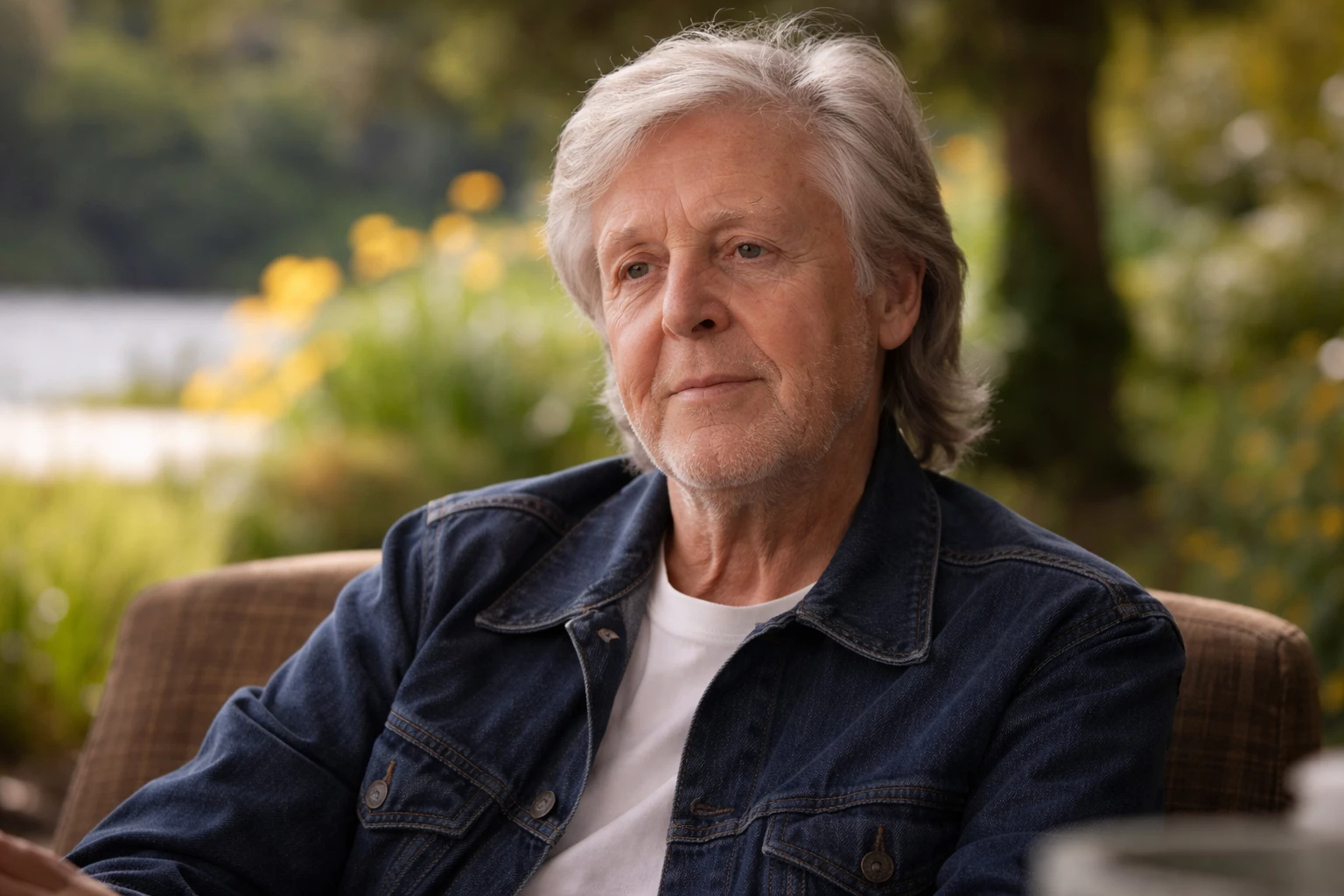
When CBS Sunday Morning Paul McCartney aired, it didn’t feel like another celebrity segment. It felt like a pause. A breath. A moment where one of the most studied musicians in modern history sat down—not to promote, not to posture—but to reflect.
And that’s rare.
Because Paul McCartney has lived under a microscope for more than six decades. Every lyric analyzed. Every partnership dissected. And every public comment amplified. Yet in this conversation, we saw something different. Not just a Beatle. Not just a knight. And not just a global icon.
We saw a craftsman.
Let’s break down why CBS Sunday Morning Paul McCartney mattered—and what professionals, creatives, and leaders can actually learn from it.
The Context: Why This Interview Carried Weight
CBS Sunday Morning has a distinctive rhythm. It doesn’t chase spectacle. It lingers. And it gives room.
That format is exactly why the CBS Sunday Morning Paul McCartney segment worked.
Unlike late-night talk shows or tightly scripted press tours, this setting allowed space for:
- Long-form reflection
- Nuanced discussion of legacy
- Emotional honesty without melodrama
- A slower, more thoughtful cadence
And McCartney responded accordingly.
He wasn’t performing nostalgia. He wasn’t defending history. And he was contextualizing it.
That distinction matters.
Before the Interview: The Weight of a Name
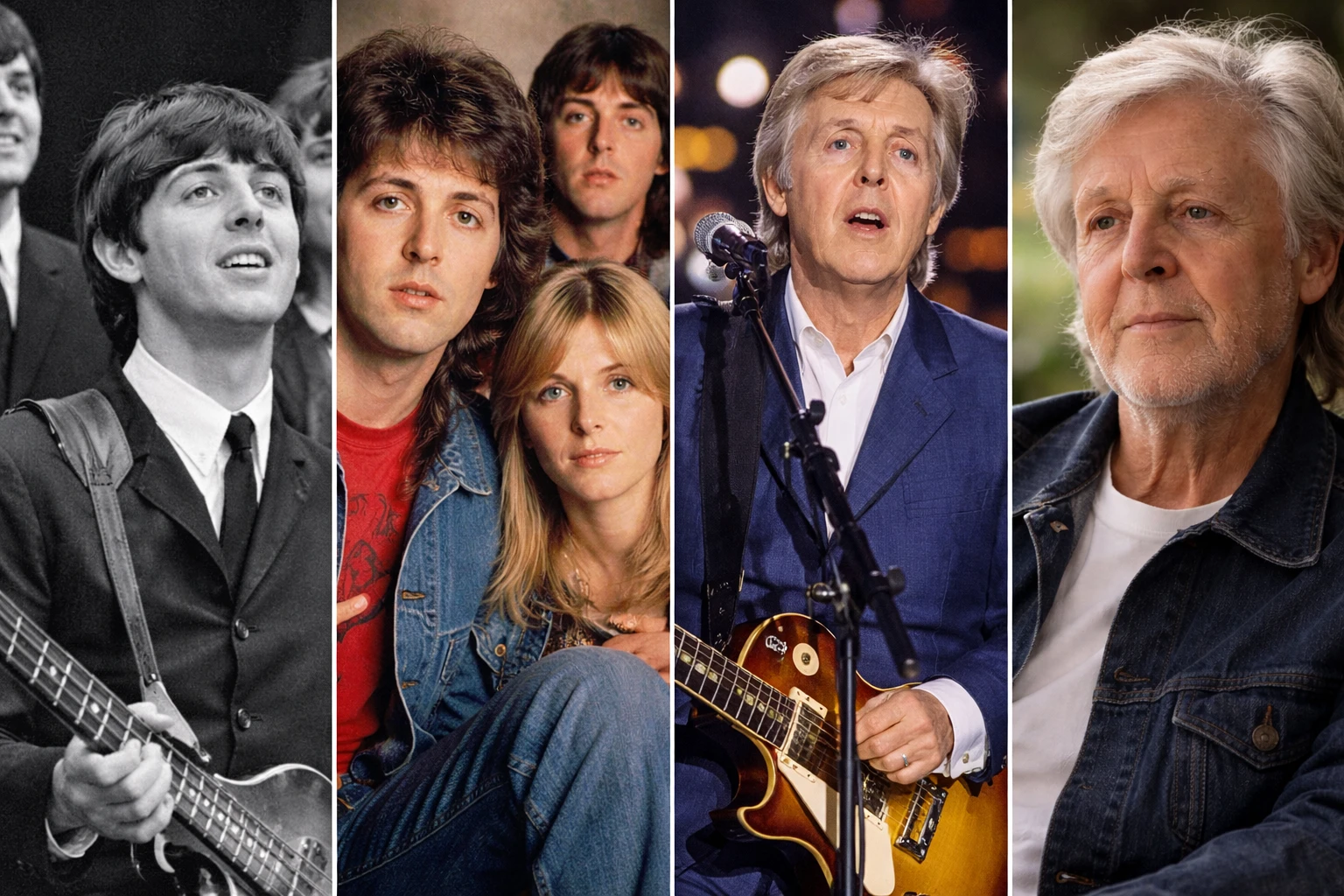
To understand CBS Sunday Morning Paul McCartney, you have to understand the layers he carries.
He is:
- A founding member of The Beatles
- A former creative partner of John Lennon
- A solo artist with decades of touring
- A composer, producer, and business strategist
That’s not just fame. That’s historical imprint.
Yet what stood out in the interview wasn’t the mythology. It was the practicality.
McCartney talked about writing. About partnership. About persistence. Not about being a legend.
That shift—from icon to worker—is powerful.
The Tone: Reflective Without Being Sentimental
There’s a trap many legacy interviews fall into. They drown in nostalgia. Soft focus. Slow piano music. “The good old days.”
CBS Sunday Morning Paul McCartney avoided that.
Yes, the past was discussed. But not with longing. With analysis.
He spoke about his collaboration with Lennon in a way that felt balanced. Honest. Mature.
There was no defensive edge. No revisionism. Just perspective.
And perspective only comes with time.
For professionals watching, that’s a lesson in itself: growth isn’t loud. It’s measured.
Revisiting The Beatles Without Fatigue
Every interview with McCartney eventually arrives at The Beatles. It has to. But this time, the conversation felt different.
Instead of rehashing who wrote what, the focus shifted to the dynamic.
Here’s what emerged:
1. Creative Tension Is Not a Threat
McCartney acknowledged disagreement as part of the process. That’s refreshing.
In many industries, conflict is treated as dysfunction. But in high-level creative partnerships, tension can sharpen output.
Actionable takeaway:
- Don’t eliminate tension in collaborative work.
- Channel it.
- Define shared outcomes clearly so disagreement fuels quality rather than ego.
2. Partnership Requires Mutual Respect
The Lennon-McCartney dynamic was competitive. But it was also anchored in admiration.
Professionally, that’s rare and valuable.
If you’re building a partnership:
| Element | Without It | With It |
| Respect | Silent rivalry | Productive competition |
| Shared standards | Inconsistent output | Elevated quality |
| Clear attribution | Resentment | Long-term trust |
The CBS Sunday Morning Paul McCartney interview reinforced something critical: high output partnerships are built on both friction and foundation.
The Creative Process: Discipline Over Myth
One of the strongest moments in CBS Sunday Morning Paul McCartney was the demystification of creativity.
No tortured artist narrative.
No lightning-bolt mythology.
Just process.
McCartney described songwriting as work. Exploration. Play.
That matters for anyone in a creative or strategic field.
His Approach Mirrors High-Performance Principles:
- Show up consistently
- Capture ideas immediately
- Experiment without overthinking
- Refine relentlessly
Creativity isn’t magic. It’s volume plus editing.
If you’re leading teams, writing strategy, building products—this applies.
Inspiration favors engagement.
Longevity: The Discipline of Staying Relevant
McCartney continues to tour. Continues to record. Continues to evolve.
And he doesn’t chase trends.
That was clear throughout CBS Sunday Morning Paul McCartney.
Instead of adapting to culture by imitation, he adapts by staying curious.
That distinction is everything.
Relevance Strategy He Models:
- Honor your foundation
- Stay open to collaboration
- Avoid imitation of younger trends
- Protect your standards
Too many professionals pivot into desperation when industries shift. McCartney shows another path: refine your core while remaining open.
It’s stability plus curiosity.
Aging and Perspective
There’s something disarming about hearing a global icon speak about aging without fear.
He didn’t dramatize it. He didn’t deny it.
And he acknowledged it.
And that tone sets a powerful example.
In corporate settings, aging can be treated as liability. In creative industries, it’s often framed as irrelevance.
But in CBS Sunday Morning Paul McCartney, age looked like authority.
Experience is leverage.
The takeaway? Depth compounds.
If you’re mid-career or beyond, your advantage isn’t speed—it’s synthesis.
Fame, Privacy, and Reinvention
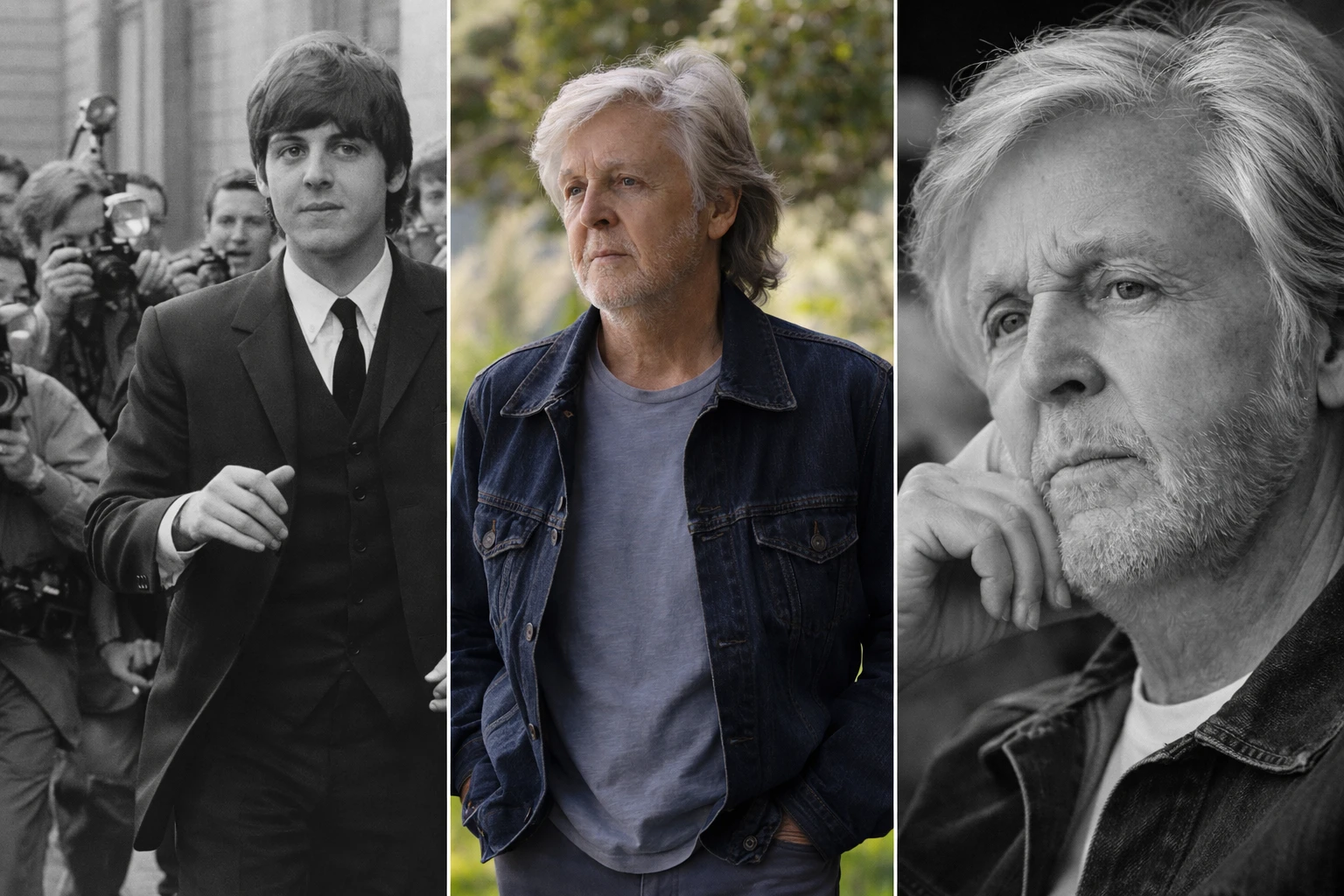
Growing up as part of The Beatles meant global scrutiny at an unprecedented scale.
Imagine being in your early twenties and reshaping culture overnight.
The interview acknowledged that pressure—but without dramatics.
Instead, McCartney framed fame as something navigated, not something suffered.
That framing is instructive.
If you operate in public-facing roles—leadership, media, entrepreneurship—visibility is inevitable. The question isn’t how to avoid it. It’s how to maintain identity within it.
His model:
- Keep private anchors strong
- Separate public perception from self-definition
- Let time recalibrate narratives
Reinvention doesn’t require abandoning your past. It requires reframing it.
The Business Mind Behind the Music
This often gets overlooked.
Paul McCartney isn’t just an artist. He’s a strategist.
Ownership battles over song catalogs. Rights negotiations. Long-term asset protection.
These elements hover quietly beneath CBS Sunday Morning Paul McCartney.
And they matter.
Creatives frequently ignore ownership structures. McCartney didn’t.
Here’s what professionals can extract:
Long-Term Strategic Lessons
- Protect intellectual property early
- Understand contract implications
- Diversify creative output
- Think in decades, not quarters
Art and business aren’t enemies. They’re partners.
The longevity of McCartney’s career isn’t accidental. It’s structured.
Why This Interview Resonated Now
Timing matters.
The cultural appetite for reflective storytelling has grown. Quick clips and short-form content dominate, but depth still wins when offered.
CBS Sunday Morning Paul McCartney landed in that gap.
It served multiple audiences:
- Long-time Beatles fans
- Younger musicians studying songwriting
- Business leaders interested in longevity
- Professionals navigating reinvention
It wasn’t just nostalgia programming. And it was perspective programming.
Key Lessons from CBS Sunday Morning Paul McCartney
Let’s distill it.
1. Mastery Is Maintenance
You don’t “arrive.” You refine.
2. Partnership Multiplies Impact
High-performing duos outperform isolated genius.
3. Legacy Is Built Quietly
Consistency compounds.
4. Curiosity Prevents Stagnation
Staying open beats chasing trends.
5. Perspective Is Power
Time clarifies what urgency obscures.
Applying This to Your Own Work
You may not be a Beatle.
But you do have a body of work.
Ask yourself:
- Am I treating my craft as ongoing practice?
- Do I have partnerships that elevate me?
- Am I protecting what I build?
- Am I refining—or reacting?
The beauty of CBS Sunday Morning Paul McCartney is that it shifts the lens. It makes legacy feel constructed, not mystical.
That’s empowering.
Why It Felt Different From Other Interviews
There was no urgency. No defense.
Just calm.
That calm signals confidence.
When someone doesn’t rush to rewrite history or justify decisions, it reveals integration. That’s maturity in action.
And in a culture obsessed with velocity, slowness becomes radical.
The Emotional Undercurrent
While the interview stayed measured, there were moments of warmth—especially when discussing past collaborators.
Not sentimental. Not performative.
Grounded.
That tone reinforces something critical: honoring the past doesn’t require living in it.
Professionally, this matters when transitioning roles, industries, or leadership stages.
You can respect your foundation without being trapped by it.
The Humanization of an Icon
Paul McCartney has been mythologized for decades.
But CBS Sunday Morning Paul McCartney chipped away at that distance.
He appeared approachable. Analytical. Self-aware.
Not superhuman.
That accessibility is powerful because it reframes excellence as replicable in principle.
The specifics of his career are singular. The habits are not.
Final Reflection: More Than Music
When CBS Sunday Morning Paul McCartney concluded, it didn’t feel like an ending.
It felt like a case study.
A masterclass in:
- Creative discipline
- Strategic longevity
- Partnership dynamics
- Perspective under pressure
The lesson isn’t that you need to write chart-topping hits.
The lesson is this:
Sustained excellence is built quietly. Daily. Intentionally.
And when you look back decades later, what remains isn’t just output.
That’s what the CBS Sunday Morning Paul McCartney interview revealed.
Not just a legend.
A life engineered with intention.
Recommended Reading
If this topic resonated with you, these books go deeper:
- Paul McCartney: The Lyrics by Paul McCartney — His life told through 154 of his songs.
- Many Years from Now by Barry Miles — McCartney’s authorized biography.
- The Beatles Anthology by The Beatles — The band’s story in their own words.
As an Amazon Associate, Thought Changer earns from qualifying purchases. If you buy through these links, we may earn a small commission at no extra cost to you.
FAQs
The interview centered on reflection—his creative process, partnership with John Lennon, longevity, and how he views his legacy today.
It offered a rare, thoughtful look at McCartney beyond headlines, highlighting discipline, strategy, and perspective rather than nostalgia.
Yes, he spoke about his collaboration with John Lennon and reframed their partnership with maturity and balance.
He emphasized consistency, experimentation, and showing up to work rather than waiting for inspiration to strike.
McCartney framed aging as perspective and authority, showing that experience compounds over time.
Not overly—it was reflective but grounded, focusing on lessons rather than longing for the past.
Yes, it hinted at long-term thinking, intellectual property awareness, and protecting creative assets.
Its slower, in-depth format allows for nuanced conversation rather than quick promotional soundbites.
The value of disciplined creativity, strategic partnerships, and thinking in decades instead of quarters.
Because it humanizes an icon and reveals principles of sustained excellence that apply far beyond music.