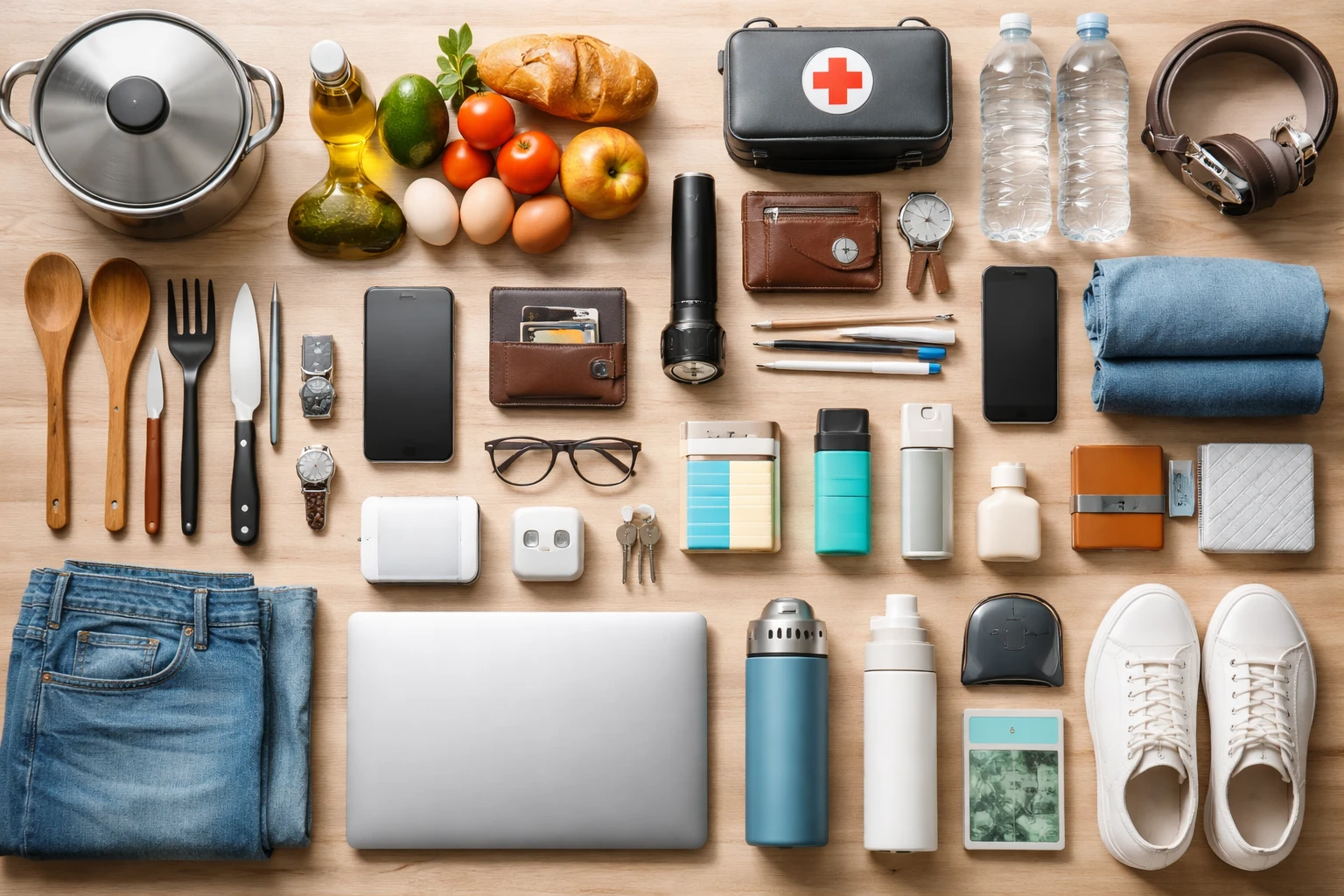
Let’s start with the question that keeps popping up in budgets, packing lists, decluttering plans, and late-night “do I really need this?” moments: what are essentials?
I ask myself that question more often than I care to admit. Before a purchase. And before a move. Before a trip. And before another attempt at simplifying life without stripping it bare. The truth is, we throw the word essential around casually, but very few of us ever stop to define it. And that’s where confusion, clutter, and wasted money creep in.
This guide is about getting clear. Not minimal for minimal’s sake. Not survivalist. And not trendy. Just practical, grounded clarity around what are essentials and how to decide them for your own life.
Why “Essentials” Matter More Than Ever
Life is louder now. Faster. More options, more upgrades, more pressure to own, subscribe, and optimize everything.
When everything is presented as necessary, nothing truly is.
Understanding what are essentials gives you leverage. It sharpens decision-making. It simplifies spending. And it reduces mental noise. And yes, it creates space—physical and mental—for things that actually matter.
This isn’t about deprivation. It’s about alignment.
What Does “Essentials” Actually Mean?
At its core, an essential is something that supports basic function, safety, health, or livelihood. Remove it, and something important breaks.
That’s it.
No fluff. No marketing spin.
But here’s the catch: essentials are context-dependent. What’s essential for one person, household, or job may be optional for another. That’s why blanket lists fail.
So when people ask, “What are essentials?” the most honest answer is:
Essentials are the minimum resources required for your life to run without friction or risk.
Essentials vs Non-Essentials: A Useful Mental Model
Instead of rigid lists, I use a simple test:
If I remove this, does my safety, health, income, or daily function suffer?
If yes, it’s likely an essential.
And If no, it’s optional—even if it’s nice.
Here’s a clean comparison to make this easier:
| Category | Essentials | Non-Essentials |
| Purpose | Enable function | Add comfort or pleasure |
| Frequency | Used regularly | Used occasionally |
| Impact if removed | Creates problems | Creates inconvenience |
| Replacement urgency | Immediate | Flexible |
This framework works everywhere—from home setups to travel packing.
Personal Essentials: The Non-Negotiables of Daily Life
Let’s ground this in reality.
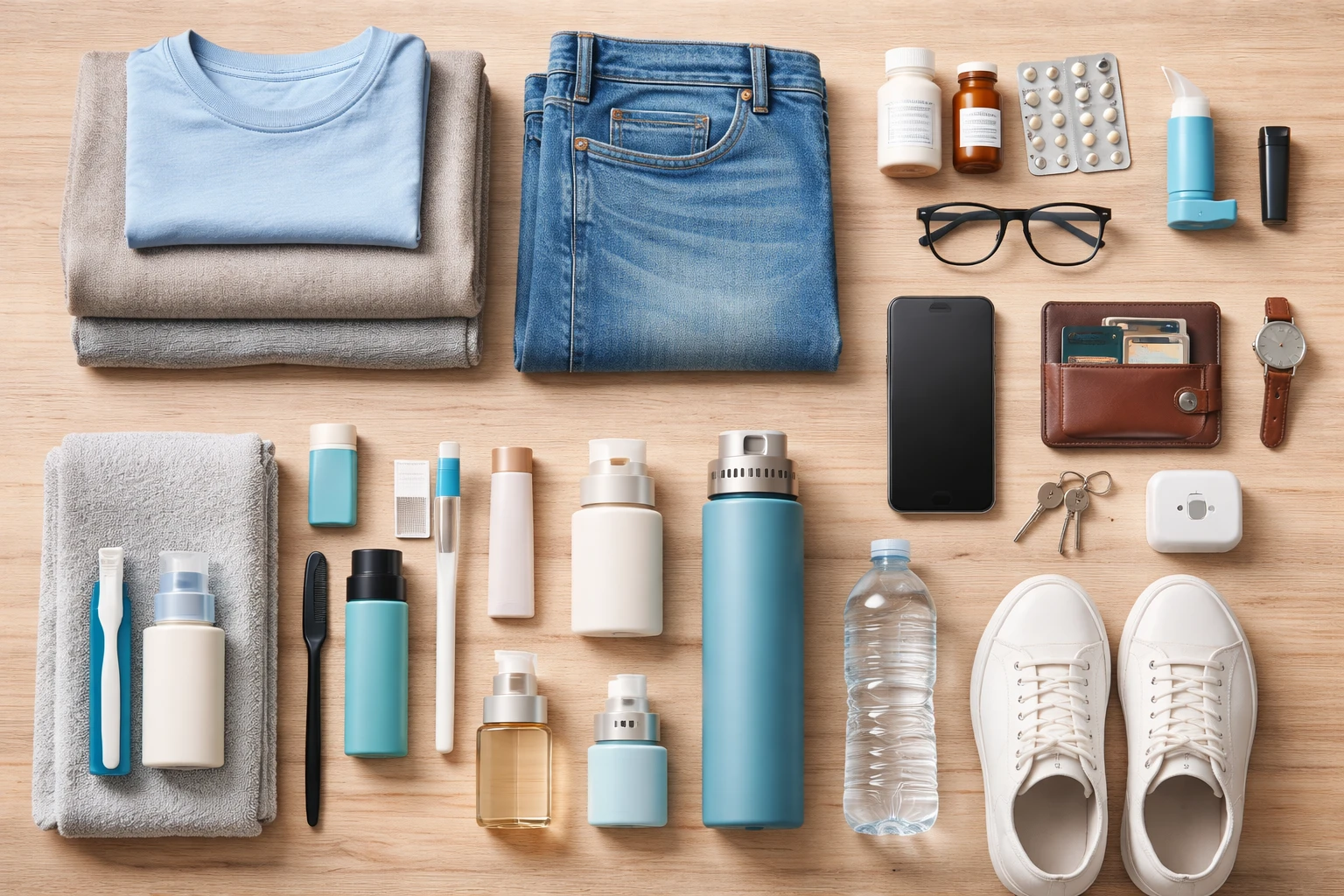
Personal essentials fall into a few predictable buckets. Ignore trends. Focus on function.
1. Health and Hygiene Essentials
Without these, everything else collapses.
- Basic toiletries that maintain hygiene
- Medications you rely on
- Eyewear or medical devices if applicable
- Sleep-supporting items (mattress, pillow, bedding)
This isn’t luxury self-care. It’s maintenance.
2. Clothing Essentials
Not style. Not variety. Function.
Think:
- Weather-appropriate clothing
- Work-appropriate attire
- Comfortable footwear that prevents injury
A capsule wardrobe works because it focuses on what are essentials, not endless choice.
3. Communication Essentials
In modern life, connectivity isn’t optional.
- Phone or primary communication device
- Internet access (home or mobile)
- Basic digital security (passwords, backups)
Without these, daily coordination grinds to a halt.
Household Essentials: What a Home Actually Needs
A functional home doesn’t need to be full. It needs to be capable.
Kitchen Essentials
You don’t need everything. You need the right few things.
- Cookware that allows basic meals
- Utensils you actually use
- Food storage for safety and freshness
If it doesn’t help you prepare or store food, it’s not essential.
Cleaning and Maintenance
Clean isn’t aesthetic. It’s preventive.
- Cleaning supplies for hygiene
- Basic tools for minor fixes
- Waste disposal essentials
Neglect here leads to bigger problems later.
Safety Essentials
These often get overlooked until they’re needed.
- Fire safety tools
- First-aid basics
- Adequate lighting and secure locks
Essentials protect against low-probability, high-impact events.
Work Essentials: Tools That Protect Your Income
Income stability is essential. Everything that enables it deserves scrutiny.
Ask yourself:
If this disappeared tomorrow, could I still work?
For most professionals, essentials include:
- A reliable primary device
- Secure access to work systems
- Core software or tools specific to the role
- Ergonomic basics that prevent injury over time
Extra monitors? Nice.
Standing desks? Helpful.
But the essential is what keeps you productive without pain or delay.
Travel Essentials: Less Than You Think, More Than You Fear
Travel exposes how misunderstood what are essentials can be.
The essentials list doesn’t grow because you’re away. It tightens.
Universal Travel Essentials
- Identification and documents
- Payment access
- Medications
- Weather-appropriate clothing
Everything else depends on duration, destination, and purpose.
Here’s a quick rule:
If it can be easily replaced at the destination, it’s not essential.
That mindset cuts packing volume instantly.
Financial Essentials: Spending Where It Actually Counts
Money clarity begins with separating needs from noise.
Essential Expenses Usually Include:
- Housing
- Utilities
- Food
- Healthcare
- Transportation
- Insurance
Everything else is optional—even if recurring.
This is where defining what are essentials becomes powerful. It shows you where flexibility exists without harming stability.
Emergency Essentials: Prepared, Not Paranoid
Preparedness is about readiness, not excess.
Essential emergency items:
- Basic supplies for short disruptions
- Emergency contact access
- Backup power or lighting
- Water and food for limited periods
The goal isn’t to cover every scenario. It’s to bridge time until normal systems resume.
How to Identify Your Essentials
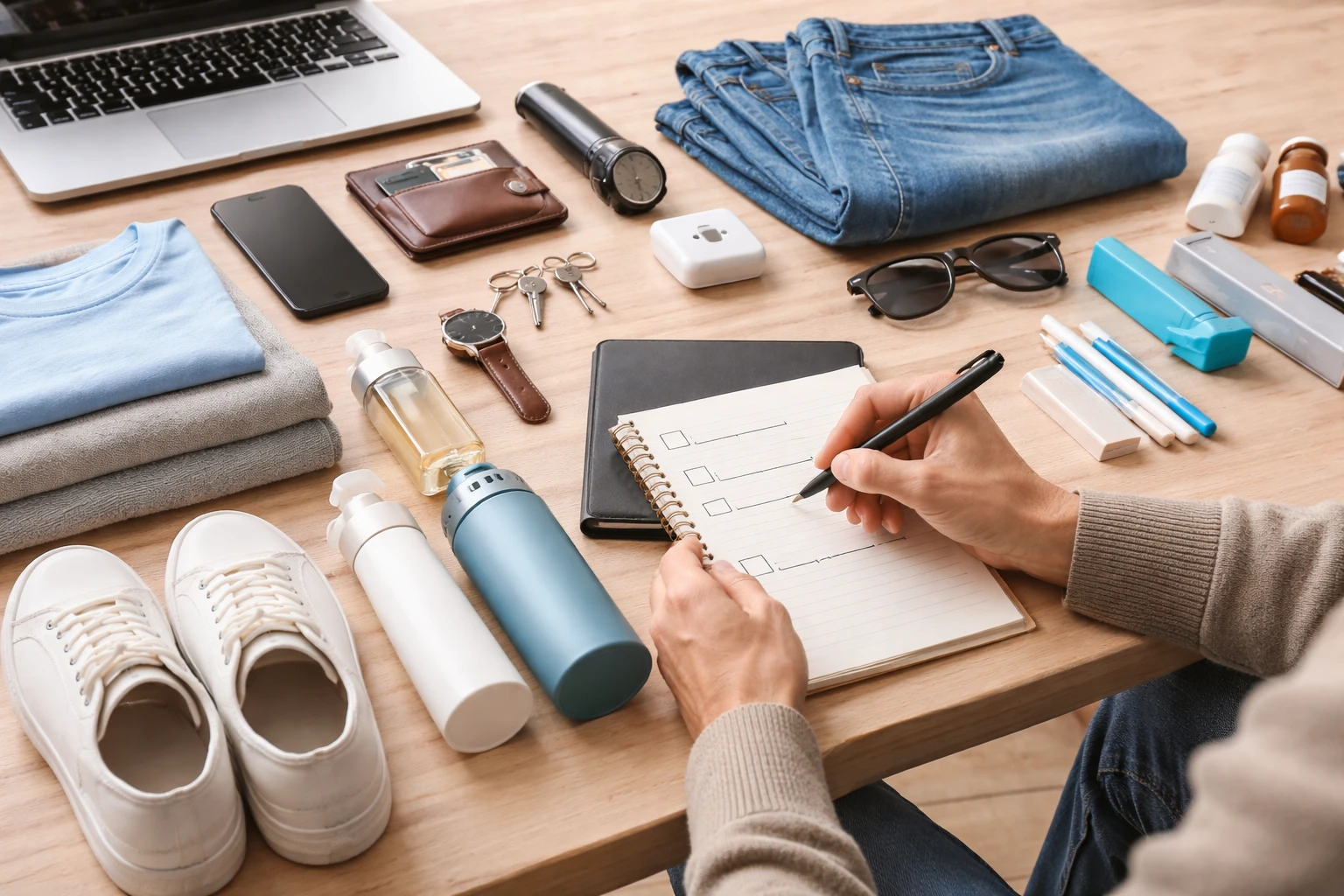
Here’s the part most articles skip. Let’s fix that.
Ask these questions, honestly:
- How often do I use this?
- What breaks if I don’t have it?
- Is there a cheaper or simpler substitute?
- Does this support function or preference?
- Would I replace it immediately if lost?
If you’d replace it without hesitation, it’s likely essential.
If you’d “wait and see,” it probably isn’t.
Common Mistakes People Make With Essentials
I’ve made all of these. Most people have.
Mistake #1: Confusing Comfort With Necessity
Comfort matters. It’s just not the same thing.
Mistake #2: Hoarding “Just in Case” Items
If it hasn’t been used in years, it’s not essential—it’s insurance you’re paying for in space and stress.
Mistake #3: Letting Trends Decide
Minimalism trends and productivity hacks don’t know your life. You do.
Essentials in Minimalist vs Modern Living
Minimalism strips essentials to the bare minimum.
Modern living accepts trade-offs.
Neither is right or wrong.
The goal isn’t fewer items. It’s fewer decisions. Essentials reduce friction so energy goes where it matters.
That balance changes with life stages, careers, families, and health. And that’s okay.
Why Focusing on Essentials Changes Everything
When you know what are essentials, three things happen fast:
- Spending becomes intentional
- Spaces feel lighter without feeling empty
- Decisions speed up
You stop negotiating with yourself over every purchase. You stop storing guilt in closets and drawers. And you start acting with clarity.
That’s not minimalism. That’s maturity.
Final Thoughts: Essentials Are Personal, Not Universal
There is no perfect list.
There is no universal formula.
What are essentials will look different for a student, a parent, a business owner, or someone rebuilding their life. And that’s the point.
The real skill isn’t owning less.
It’s knowing why you own what you do.
Define your essentials.
Revisit them often.
Let everything else earn its place.
That’s how you build a life that works—quietly, efficiently, and on purpose.
FAQs
Essentials are items or resources needed for basic function, safety, health, or earning a living.
If removing it would disrupt your daily life, health, or income, it’s likely essential.
No, essentials vary based on lifestyle, job, health needs, and personal responsibilities.
Essentials support function and stability, while luxuries add comfort or enjoyment.
Yes, items can become essential if your circumstances or routines change.
Clarity around essentials helps you spend smarter, reduce clutter, and make faster decisions.
For many people, devices and internet access are essential for communication and work.
Review them whenever your lifestyle, job, or living situation changes.
Yes, travel essentials are usually fewer and depend on destination, length, and purpose.
No, minimalism is a style choice, while essentials focus on practical function and needs.